Most people think of
the cognitive process as it relates to IQ scores and school-type experiences
(including grades!). In fact, a quality young children program will promote cognitive
and intellectual growth in young children, but it will not look the same as a
traditional classroom setting.
Understanding how
children grow and learn is basic to planning a developmentally appropriate
setting that will foster cognitive development.
Initially, young
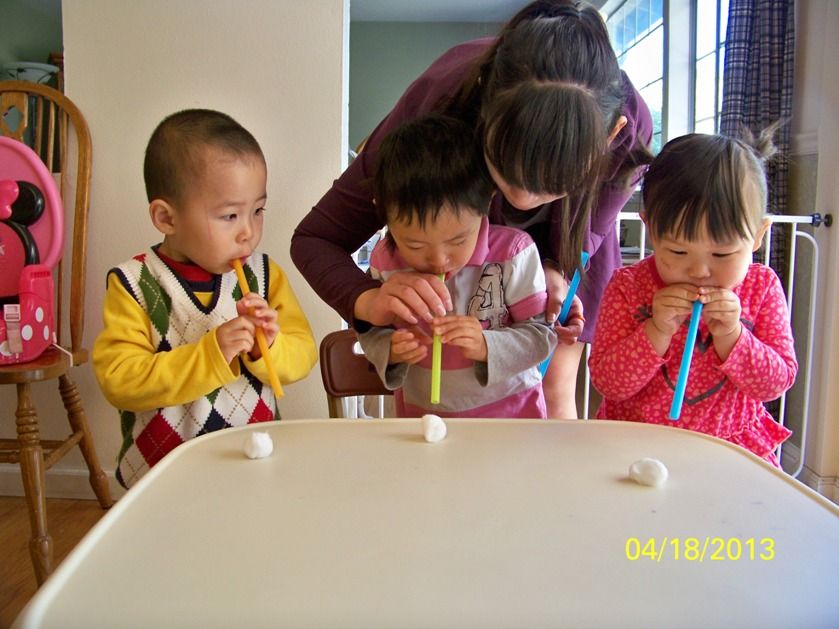
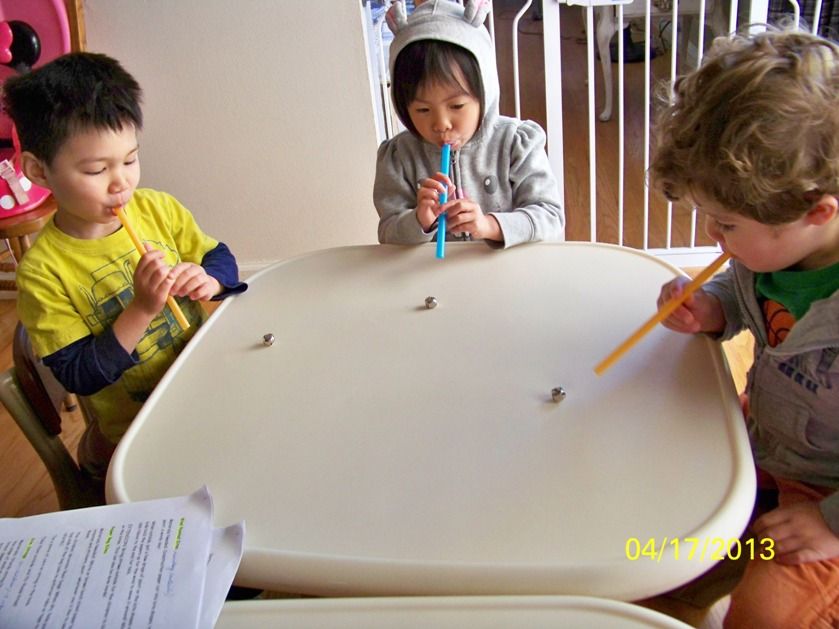
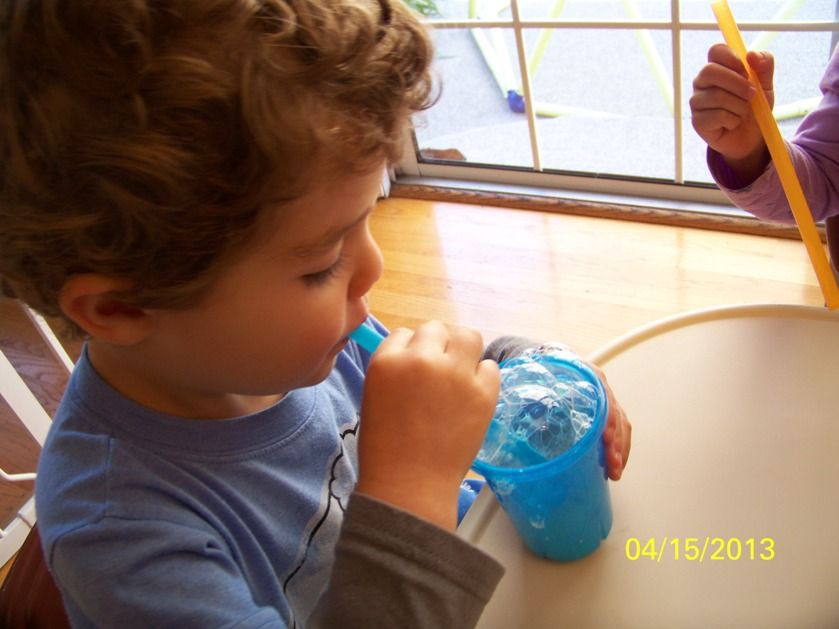
children perceive experiences directly with the senses. As they use their senses to experience the world, they
need labels to categorize and remember these experiences. By creating these
labels, children increase their ability to communicate and begin to control
their own behavior.
Above all, interaction
with people and the environment is essential. As young children grow and
mature, they use experience to build, or construct new knowledge. The child’s
action on objects (sucking, pulling, pushing) is the central force for
cognitive development.
Problem solving and
learning work best when in a positive, responsive environment that encourages
interactions. The adult, taking cues from the child, assists the child only
until he or she can work independently. If the child doesn’t need or want help,
the adult backs off.
A learning environment
is essential for young children. Children whose needs are met consistently will
feel trusting and comfortable. Children who feel comfortable will explore the
environment. From
continual exploration
comes cognitive development. Cognitive
development is promoted by inviting and encouraging exploration in an environment
rich in sensory experience, which is the fundamentals for a quality young children
program.
There is no need to
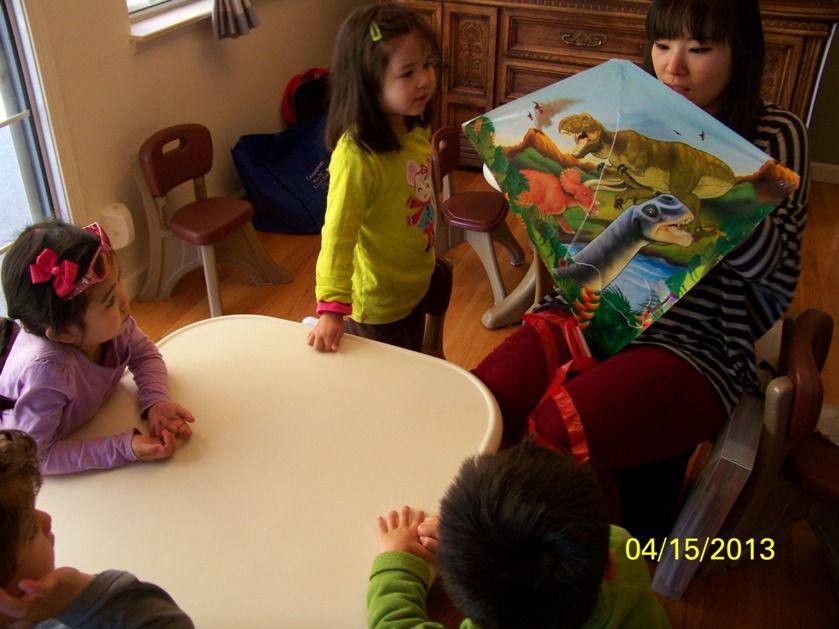
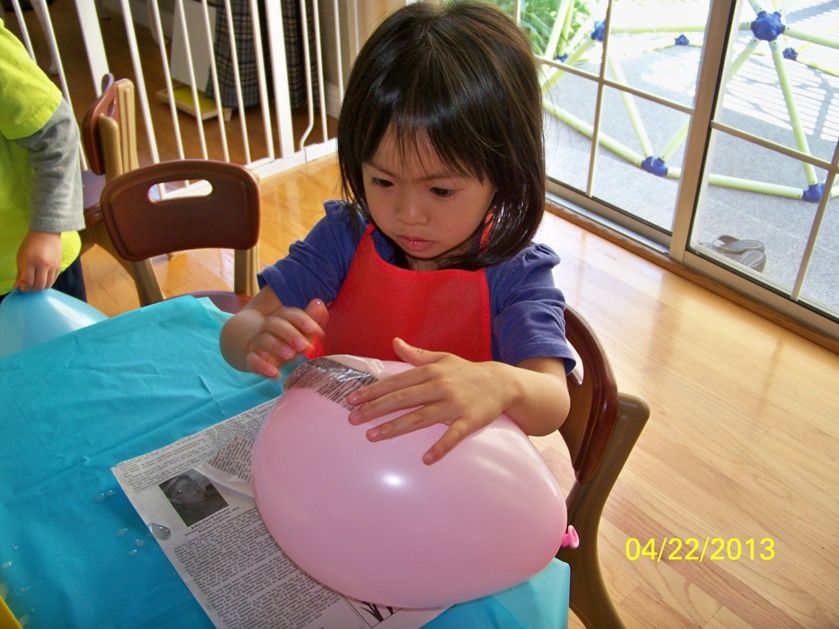
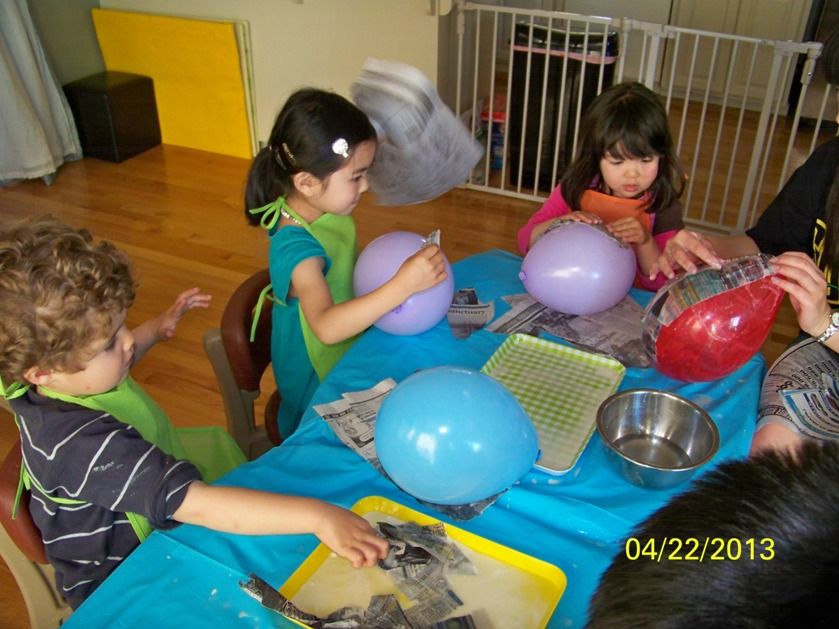
create “academic” experiences for young children. They learn significant
concepts that are embedded in real-life, everyday activities. For example, normal
conversations can teach colors and shapes—for example, “Please bring me the red
pillow,” or “Do you want a round cracker or a square one?” Number concepts,
including size and weight comparisons, happen naturally as young children play
with blocks and sand. Key ways to support cognitive growth include providing
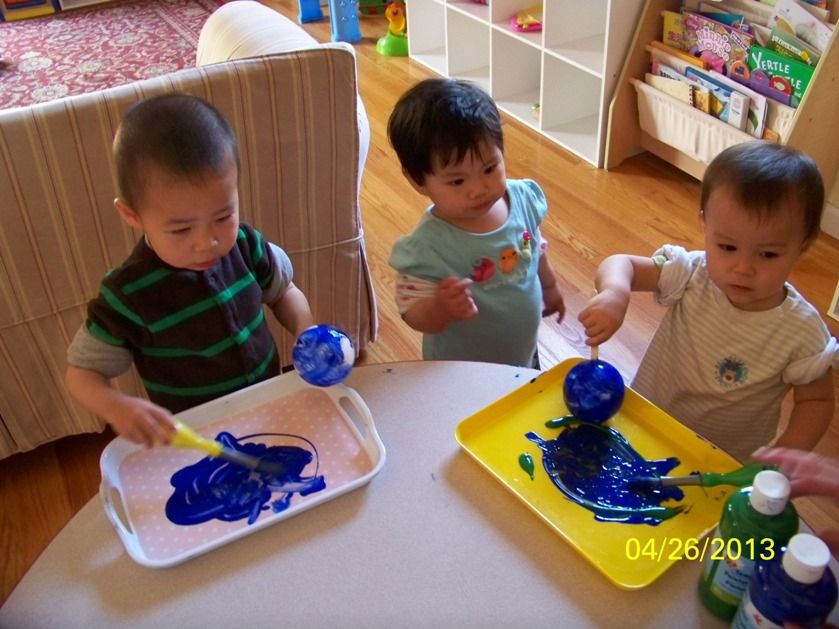
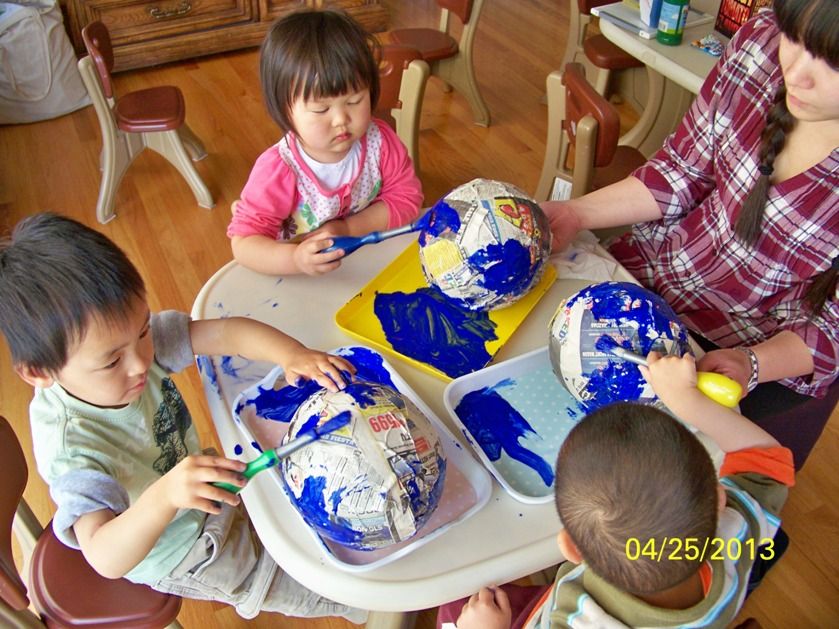
experiences with a variety of materials, supplying the opportunity to figure
out relationships, and fostering the feeling that you can make things happen in
your world.
Outdoor experiences
also provide wonderful ways to encourage cognitive development in young children.
When they have had the experience of planting beans, for example—and then
watering, picking, snapping, washing, and eating them—they really understand
what the word bean means. Because of these many associations, by the time they
see the written word for bean and have listened to related stories, they are
ready to decode the word itself.
Will you teach
alphabets and numbers to infant and young toddlers? Probably not, the researchers
and experts in early childhood education suggest providing experiences that build
concepts and lead (on the literacy continuum) to the eventual joy of reading itself.
If you don’t hinder children with
restrictive limits and an impoverished environment, they will give you lessons
in how to use toys and materials in ways you never thought of.
Putting your child in a strong academic program at a young age will benefit, harm or make no
different to your child’s development? We will discuss this topic next time.
References
·
John Sandrock (2009-11-20), Children, 11th
edition
·
Gonzalez-Mena, Janet; Eyer, Dianne Widmeyer
(2012-07-01), Infants, Toddlers, and
Caregivers: A Curriculum of Respectful, Responsive, Relationship-Based Care and
Education, 9th edition
·
Cynthia
Lightfoot , Michael
Cole , Sheila
R. Cole (2012-05-04),The Development of Children, 7th edition